BIM Management Made Easy: Solutions for Success
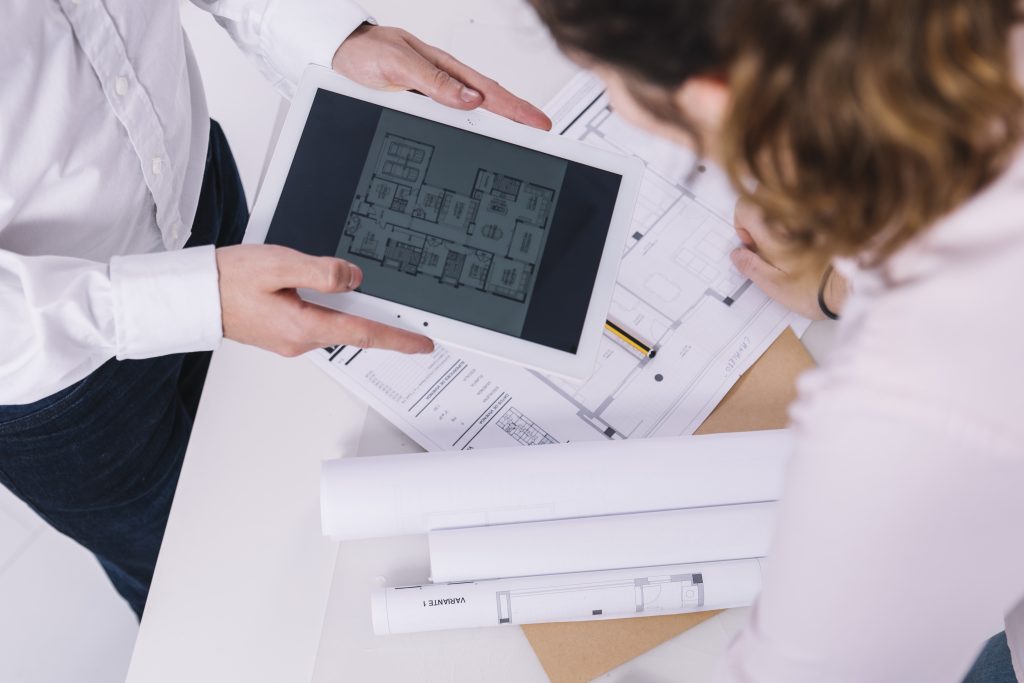
The construction industry is constantly evolving with new technological advancements taking the forefront. According to a recent McKinsey report, projects that leverage Building Information Modeling (BIM) experience a 20% reduction in project costs and a 40% improvement in project delivery schedules. This dramatic improvement in efficiency is fueled by BIM management, a centralized approach to utilizing BIM software and workflows throughout the entire building lifecycle.
In this comprehensive guide, we’ll delve into the world of BIM management, exploring its core functionalities and how it benefits construction and architectural firms. We’ll also introduce BuildHub, a leading BIM management service provider, and explore their comprehensive services to empower your projects.
What is BIM Management and Why is it Crucial?
BIM software allows for the creation of intelligent 3D models that encompass a building’s physical and functional characteristics. BIM management takes this a step further by establishing a collaborative framework for utilizing these models effectively. It ensures everyone involved in the project – architects, engineers, contractors, and fabricators – works from a single source of truth, minimizing errors and communication breakdowns.
Here’s a closer look at the critical aspects of BIM management and the problems they solve:
- Clash Detection: BIM models can identify potential clashes (overlapping elements) before construction begins. This proactive approach eliminates costly rework and delays down the line. Read more about BIM clash detection on our dedicated blog post.
- Centralized Model Management: A central BIM model repository ensures everyone can access the latest version, preventing confusion and wasted effort due to outdated information.
- Improved Collaboration: BIM management platforms facilitate seamless team collaboration, fostering better communication and issue resolution.
- Enhanced Design Coordination: BIM models allow for early design coordination, minimizing the risk of errors and omissions that can lead to costly changes later.
- Streamlined Construction Sequencing: BIM facilitates the creation of a 4D model that visualizes the construction sequence, optimizing workflows and resource allocation.
Key Benefits of BIM Implementation
By implementing effective BIM management, construction and architectural firms can experience a multitude of benefits, including:
- Reduced Costs: Early identification and mitigation of clashes, improved coordination, and optimized workflows all contribute to significant cost savings.
- Faster Project Delivery: BIM management streamlines processes, eliminates rework, and optimizes scheduling, leading to faster project completion times.
- Enhanced Quality: Promotes a collaborative environment that fosters improved design and construction quality.
- Increased Predictability: Provides a clear picture of the project, allowing for better risk identification and mitigation, increasing project predictability.
Each of these benefits proves invaluable for construction and architectural firms looking to super charge their projects and reduce rework costs. Contact BuildHub today and see how we revamp your construction workflows!
Why Choose BuildHub?
BuildHub stands out as your ideal BIM management partner. We possess a deep understanding of the construction industry and the unique challenges associated with BIM implementation. Our team of BIM experts offers a comprehensive suite of services designed to streamline your BIM workflows and maximize the value you get from BIM:
BIM Modeling and Coordination
Our team creates high-quality, detail-rich 3D models and ensures seamless coordination between architectural and engineering disciplines.
Clash Detection and Resolution
We leverage advanced software to identify potential clashes early on and work collaboratively with your team to find optimal solutions.
BIM Model Review and Audit
Our experts meticulously review your BIM models to identify any inconsistencies or errors, ensuring a high-quality information base.
Construction Sequencing and 4D Modeling
We help visualize the construction process through 4D modeling, optimizing scheduling and resource allocation.
BIM Training and Support
BuildHub offers customized BIM training programs to empower your team with the skills to effectively utilize BIM software and workflows.
BuildHub is your go-to platform for all your construction needs. Our team of BIM experts are here to help you improve your construction project and establish a smooth and collaborative flow of work. Schedule a free consultation with our BIM experts today!
BuildHub: Your Trusted Partner for BIM Success
Our commitment to excellence and unwavering focus on client satisfaction set us apart. We understand the importance of clear communication and collaboration, working closely with you throughout the project lifecycle to ensure your BIM implementation is a resounding success.
Ready to unlock the transformative potential of BIM management? Contact BuildHub today to discuss your project needs or simply schedule a consultation with our team of BIM experts. Together, we can build a more efficient, cost-effective, and successful future for your construction projects.

Frequently Asked Questions (FAQ's)
What is BIM management?
BIM management is a centralized approach to using Building Information Modeling (BIM) software and workflows throughout a building’s entire lifecycle. It ensures everyone involved in the project works from the same 3D model, minimizing errors and delays.
What does BIM stand for?
BIM stands for Building Information Modeling.
What is BIM information management?
It refers to the processes of managing the vast amount of information generated throughout a BIM project. This includes creating, storing, accessing, and updating the data within the BIM model.
What are the 4 stages of BIM?
While the specific stages might vary slightly depending on the source, BIM can be generally understood to follow 4 key phases:
- Planning & Design: This stage involves creating the initial BIM model and establishing project objectives.
- Construction Documentation: The BIM model is used to generate detailed construction drawings, specifications, and fabrication data.
- Construction & Fabrication: The BIM model guides construction sequencing, clash detection, and on-site workflows.
- Facilities Management: The BIM model can be used for ongoing maintenance, renovation planning, and building lifecycle management.
Related Posts
- Construction
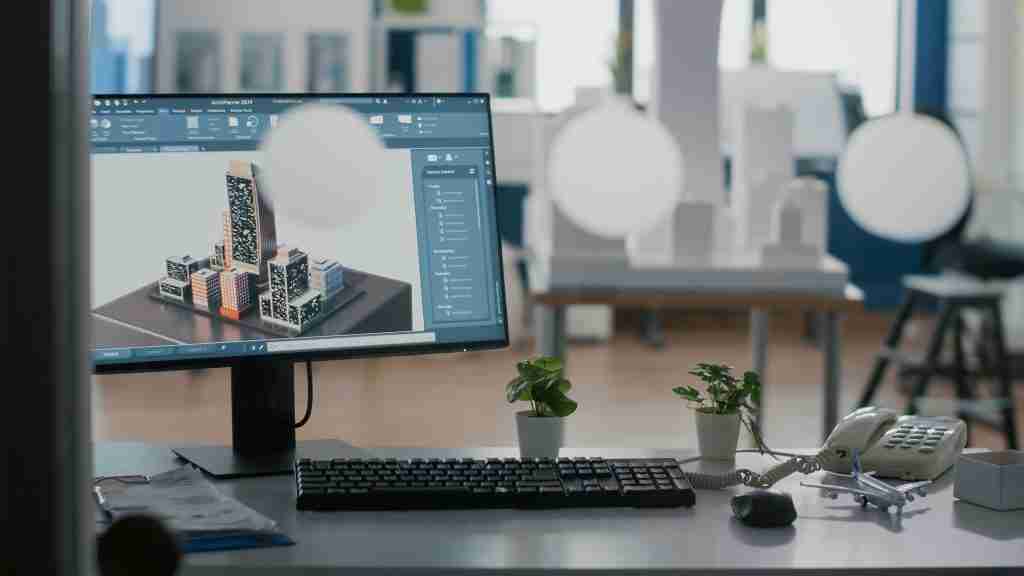
Elevate Your Construction Projects with Professional BIM Consulting Services In the rapidly evolving construction industry, Building Information Modeling (BIM) has...
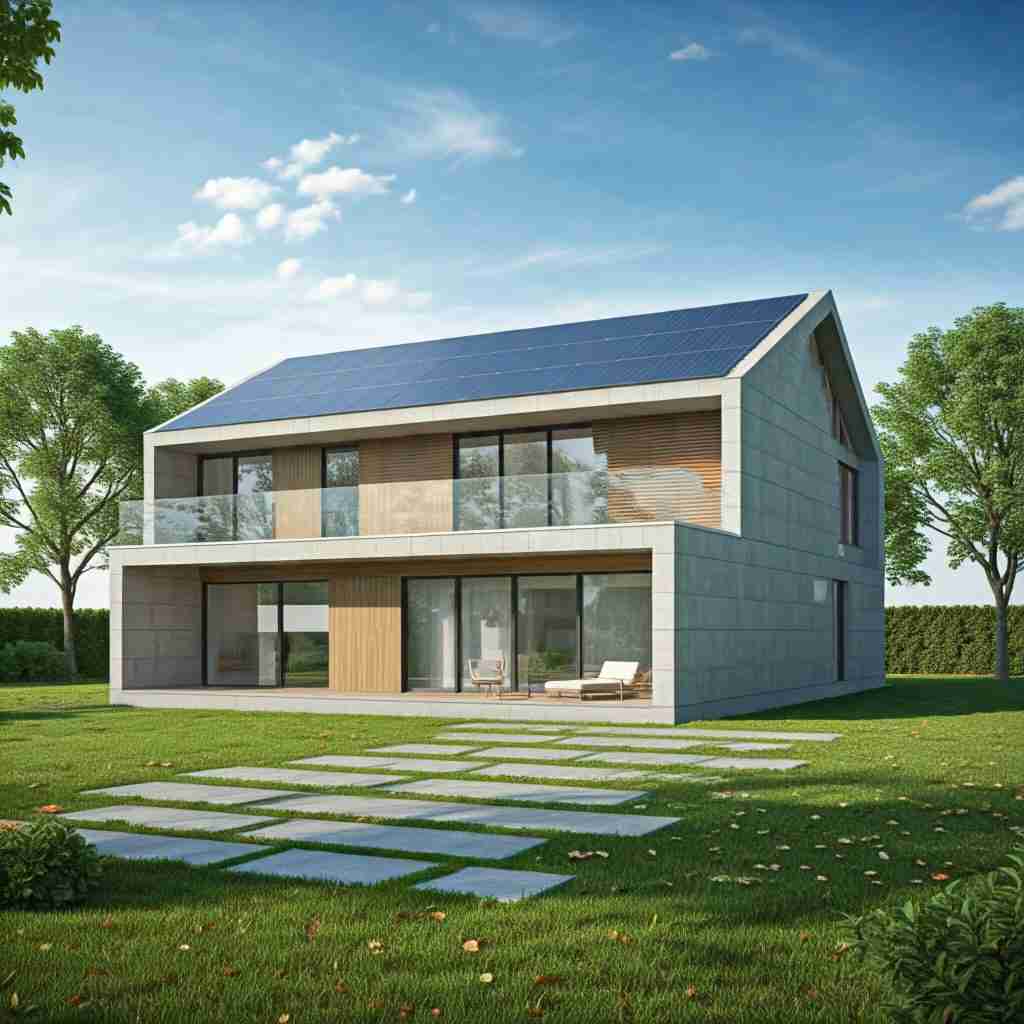
Transform Your Home with Professional Residential Design Services In today’s dynamic housing market, homeowners are increasingly turning to professional residential...
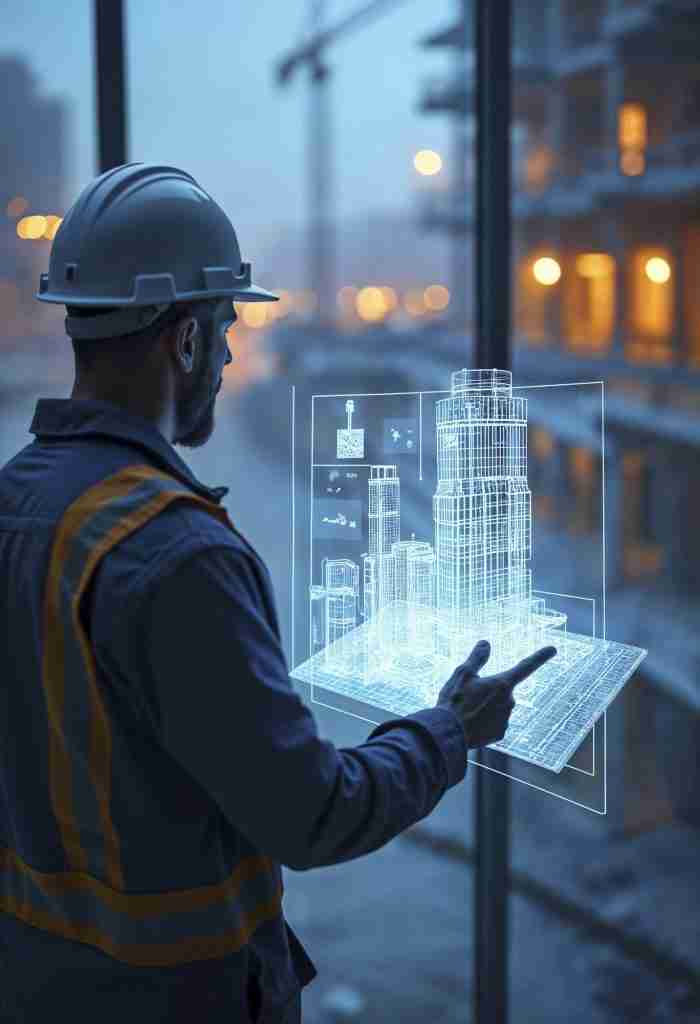
How BuildHub Is Transforming Projects with Virtual Construction In today’s rapidly evolving construction industry, embracing digital tools is essential for...