BIM Project Management Mastered
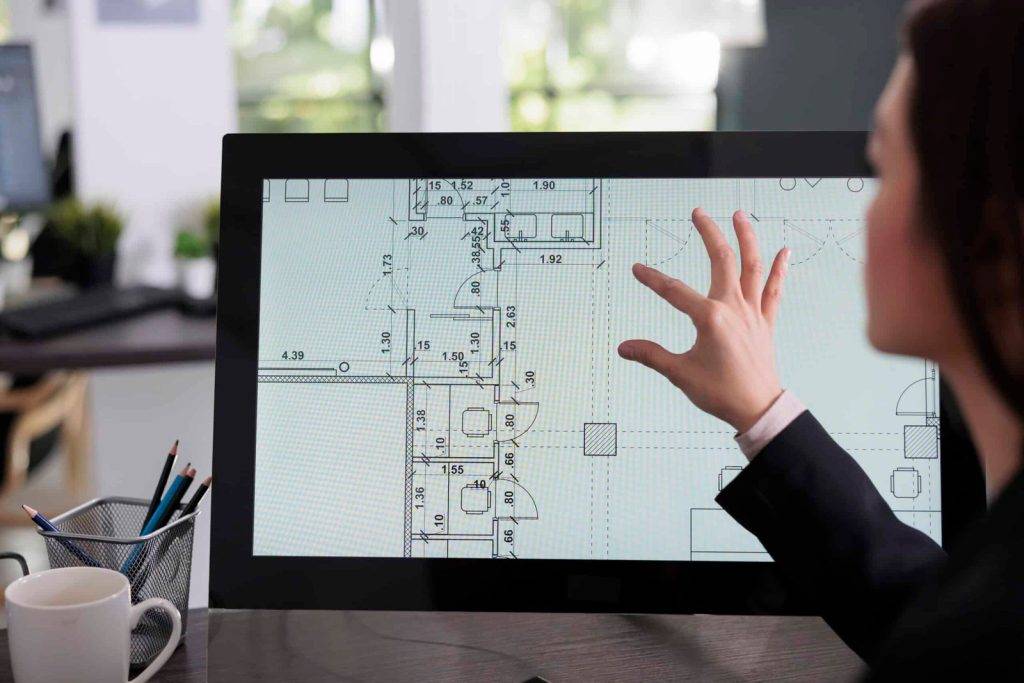
The construction industry is undergoing a digital revolution with BIM project management, spearheaded by Building Information Modeling (BIM). Project management software streamlines processes minimizes errors, and optimizes project outcomes through a collaborative approach.
BuildHub, a next-generation BIM software, empowers construction professionals to harness the full potential of BIM and achieve unprecedented levels of efficiency and collaboration throughout the entire project lifecycle.
This blog delves into the world of BIM project management, exploring its core principles, benefits, and best practices. We’ll also discuss the challenges of traditional construction workflows and how BuildHub addresses them with its innovative suite of features.
What is BIM Project Management?
BIM project management leverages a digital representation of the entire building – the Building Information Model (BIM) – to plan, design, construct, and operate a facility. This model integrates all the physical and functional characteristics of the building, including architectural, structural, mechanical, electrical, and plumbing (MEP) systems.
BIM software facilitates the creation, sharing, and manipulation of this central BIM throughout the project lifecycle. Project management transforms traditional workflows by fostering collaboration between all stakeholders, from architects and engineers to contractors and facility managers.
The Benefits of BIM Project Management
BIM management offers a multitude of advantages over traditional construction methods. Here are some key benefits:
Enhanced Collaboration
Provides a central platform for all project data, fostering real-time collaboration between all project stakeholders. This eliminates communication silos and ensures everyone is working with the latest information.
Improved Decision-Making
Allows for data-driven decision-making. BuildHub generates insightful reports that enable project managers to identify potential problems early on and make informed choices that optimize project outcomes.
Reduced Errors and Rework
By creating a central model of the building, Project management for BIM minimizes errors and clashes between different building components. BuildHub offers advanced clash detection capabilities, identifying potential issues before construction begins, and saving time and money.
Increased Efficiency
Streamlines workflows by automating repetitive tasks and providing real-time project insights. BuildHub offers features like automated scheduling and progress tracking, improving project efficiency and resource allocation.
Improved Cost Management
The benefits of project management for BIM ultimately lead to improved cost management. Reduced errors, optimized workflows, and better decision-making contribute to significant cost savings throughout the project lifecycle.
Challenges of Traditional Construction Management and How BIM Project Management Addresses Them
Traditional construction workflows often face several challenges that hinder project success. Here’s how BIM management can address these limitations:
- Communication Silos: Traditional methods rely on disparate documents and communication channels, leading to misunderstandings and delays. BIM software provides a central platform for all project data and communication, ensuring everyone is on the same page.
- Data Disparity: In traditional methods, data is often stored in different formats and locations, making it difficult to access and update. BIM project management creates a single source of truth – the BIM model – that ensures data consistency and eliminates information silos.
- Clash Detection: Identifying conflicts between different building components can be time-consuming and error-prone in traditional workflows. BIM software offers advanced clash detection capabilities that automatically identify potential issues early on, saving time and resources.
- Version Control: Managing different versions of plans and documents can be a challenge in traditional methods. BIM software provides a centralized version control system, ensuring everyone is working with the latest version of the project information.
Best Practices for BIM Project Management
To reap the full benefits of Building Information Modeling project management, it’s crucial to adhere to best practices. Here are some key considerations.
Define BIM Uses Early On
Establish clear goals and objectives for BIM implementation at the project’s outset. This ensures everyone understands how BIM will be used throughout the project lifecycle.
Invest in BIM Training
Ensure all project stakeholders have the necessary skills and knowledge to effectively utilize BIM tools. This empowers them to contribute meaningfully to the collaborative BIM environment.
Establish Clear Communication Protocols
Define clear communication protocols for sharing information and resolving issues within the BIM model. This fosters transparency and streamlines collaboration.
Leverage Cloud-Based BIM Solutions
Cloud-based BIM software, like BuildHub, offers several advantages. It facilitates real-time collaboration, ensures data accessibility from anywhere, and enhances project data security.
BuildHub: Your One-Stop Solution for BIM Project Management
By adopting the right tools and strategies, a BIM manager can empower themselves to navigate the complexities of BIM workflows and create a more efficient and collaborative environment. Here are some key takeaways:
- Invest in continuous learning: Stay up-to-date with the latest BIM tools and technologies.
- Foster a collaborative culture: Encourage open communication and information sharing among all project stakeholders.
- Standardize BIM processes: Implement clear guidelines and protocols for BIM workflows.
- Leverage automation: Utilize automated tools for clash detection, data management, and other repetitive tasks.
Now, let’s move on to how BuildHub can be your ultimate solution to all your BIM management problems.
Why BuildHub is Your Ideal BIM Partner
BuildHub is a next-generation BIM software solution designed to empower construction professionals to harness the full potential of BIM project management. Here’s how it can completely transform your construction projects:
- Centralized BIM Platform: Provides a central platform for creating, sharing, and managing your BIM model throughout the project lifecycle.
- Enhanced Collaboration: Fosters seamless collaboration between all project stakeholders with real-time communication tools and a user-friendly interface.
- Advanced Clash Detection: Identify and resolve potential conflicts between building components early on with its advanced clash detection capabilities.
- Automated Workflows: Automates repetitive tasks such as scheduling and progress tracking, freeing up valuable time for project managers to focus on strategic decision-making.
- Data-Driven Insights: Generates insightful reports that empower you to make informed decisions throughout the project lifecycle.
Ready to experience the power of project management for BIM? Contact us today and discover how our innovative BIM software can revolutionize your construction projects. Take control of your projects, optimize workflows, and achieve superior results with BuildHub.
Frequently Asked Questions (FAQ’s)
What is BIM in project management?
BIM, or Building Information Modeling, is a revolutionary approach to construction project management that utilizes a digital representation of the entire building – the Building Information Model (BIM).
It integrates all the physical and functional characteristics of the building, encompassing architectural, structural, mechanical, electrical, and plumbing (MEP) systems.
BIM management leverages this central model to streamline workflows, enhance collaboration, and optimize project outcomes throughout the entire lifecycle, from planning and design to construction and operation.
What is the role of BIM project manager?
A BIM project manager is a construction professional who oversees the implementation and use of BIM throughout a project. They:
- Establish BIM goals and objectives at the project outset.
- Select and implement appropriate BIM software.
- Facilitate collaboration among all project stakeholders, including architects, engineers, contractors, and facility managers.
- Ensure the BIM model is accurate, up-to-date, and used effectively throughout the project lifecycle.
- Resolve potential issues arising from BIM implementation.
Which software is used for BIM?
Some popular BIM software include:
- BuildHub (among others)
- Revit (by Autodesk)
- ArchiCAD (by Graphisoft)
What is BIM in simple terms?
Imagine BIM as a digital blueprint for your entire building project. BIM management takes this blueprint a step further by allowing all project participants to work on it simultaneously, ensuring everyone has access to the latest information and can identify potential problems before they arise.
Related Posts
- Construction
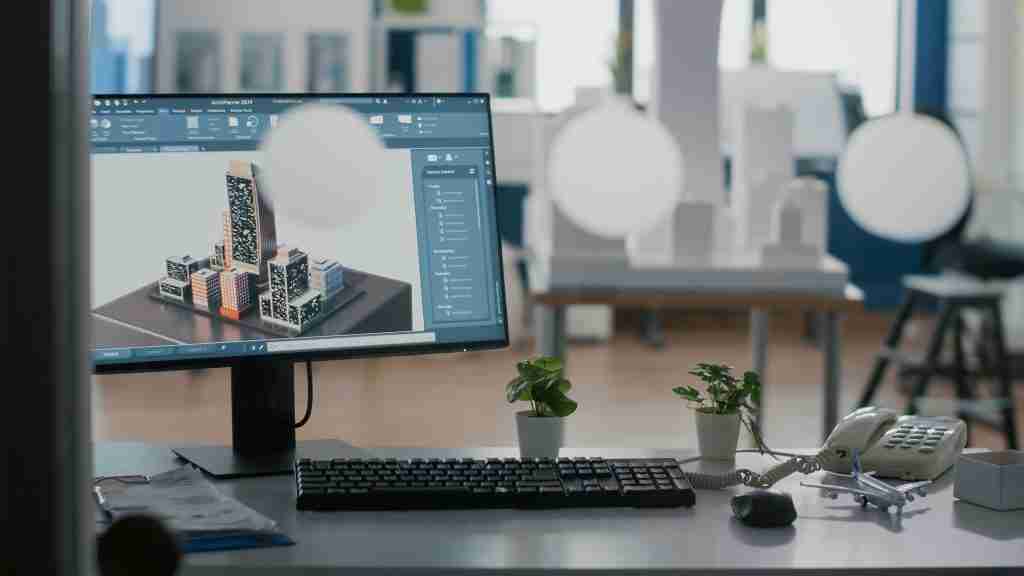
Elevate Your Construction Projects with Professional BIM Consulting Services In the rapidly evolving construction industry, Building Information Modeling (BIM) has...

Transform Your Home with Professional Residential Design Services In today’s dynamic housing market, homeowners are increasingly turning to professional residential...

How BuildHub Is Transforming Projects with Virtual Construction In today’s rapidly evolving construction industry, embracing digital tools is essential for...