How BuildHub is Transforming Building Projects with Virtual Construction

In 2023, the construction industry saw a 25% rise in virtual construction adoption, marking a shift in how modern building projects are managed.
Virtual construction uses advanced digital tools to enhance every phase of construction, from design through to completion.
At BuildHub, we specialize in virtual construction, offering innovative solutions that streamline workflows and improve project outcomes.
In this blog, we’ll explore how BuildHub is transforming building projects through virtual construction, focusing on key areas such as construction coordination, 3D BIM modeling, and enhanced efficiency.
What is Virtual Construction? How Does It Benefit Building Projects?
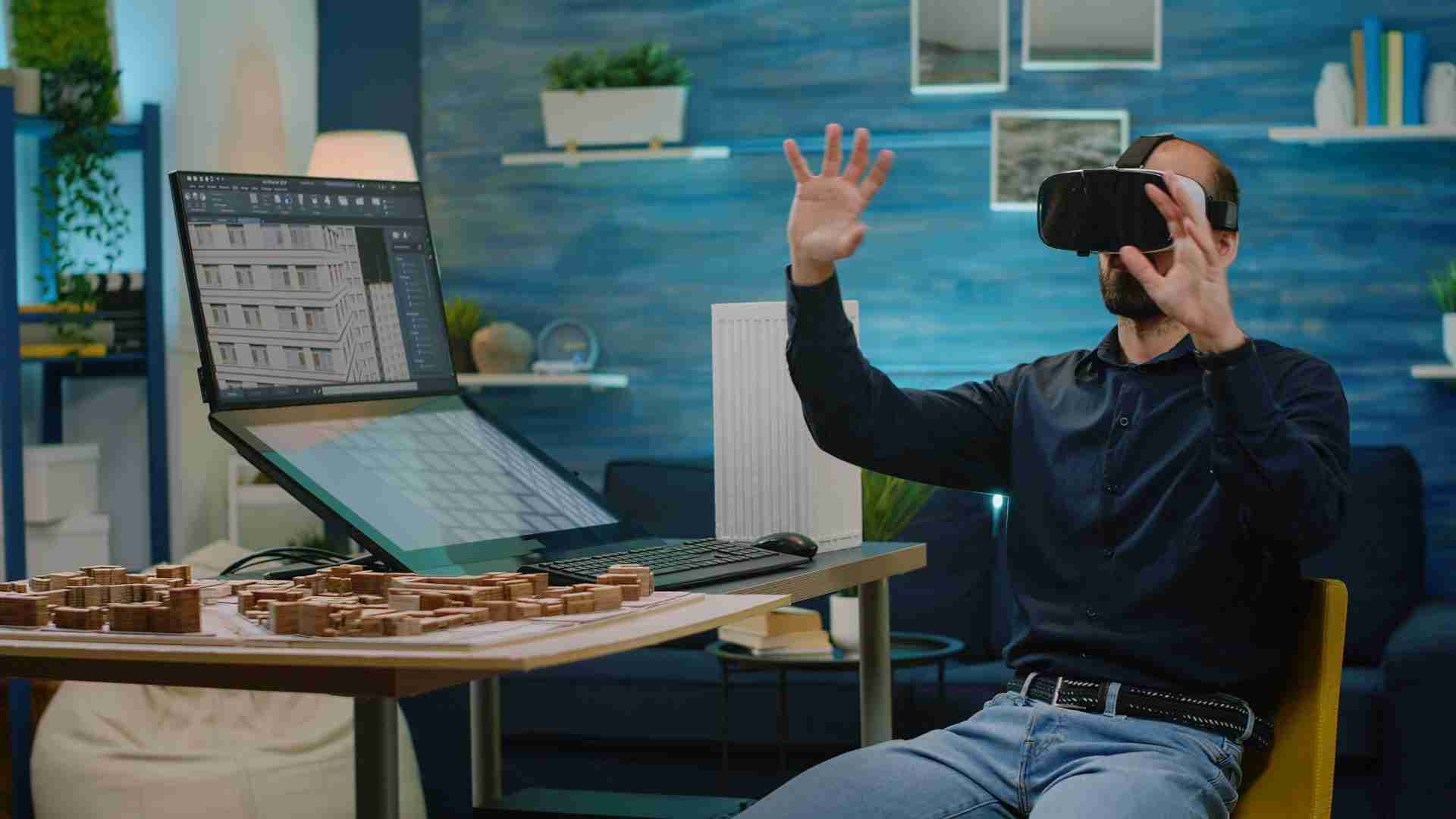
Virtual construction integrates digital technology into the building process, allowing for detailed planning, simulation, and problem-solving before physical work begins. Through the use of advanced 3D BIM models, construction teams can visualize the entire project, spot potential issues early, and optimize designs for greater accuracy.
This forward-thinking approach not only saves time and resources but also fosters better collaboration between all stakeholders. At BuildHub, we use 3D BIM modeling to meticulously plan every aspect of your project, ensuring that potential challenges are addressed before they become costly problems.
Key Benefits of Virtual Construction:
- Improved Coordination: Streamline communication between architects, engineers, and contractors.
- Cost and Time Savings: Identify and resolve issues early to avoid expensive rework.
- Increased Accuracy: Ensure all designs and systems align perfectly with the project’s requirements.
Enhancing Construction Coordination with 3D BIM Modeling
Effective coordination is crucial to the success of any building project. Miscommunication or lack of collaboration often leads to delays, increased costs, and compromised quality. BuildHub addresses these challenges through 3D BIM modeling, which enhances coordination and keeps all project teams aligned.
Our coordination drawings integrate architectural, structural, and MEP (Mechanical, Electrical, and Plumbing) systems into a unified model. This ensures real-time updates and seamless communication among teams. Additionally, clash reports identify and resolve conflicts between systems early in the planning phase, eliminating costly errors later in the construction process.
How We Improve Coordination:
- Real-Time Collaboration: Keep teams updated with live changes to the project model.
- Clash Detection: Spot and solve system conflicts before construction begins.
- Integrated Drawings: Align architectural, structural, and MEP elements for a cohesive project.
Leveraging Virtual Design and Construction (VDC) Services for Efficiency
BuildHub’s Virtual Design and Construction (VDC) services are central to improving project efficiency. VDC combines digital tools and methodologies to optimize every stage of construction—from initial design to project delivery.
We create detailed IFC drawings (Issued for Construction) that enhance communication and data exchange between stakeholders. Using Revit architecture 3D models, we ensure every detail is accurately represented, reducing the likelihood of errors and rework.
Why Choose VDC Services?
- Data-Driven Decision Making: Make informed choices backed by accurate model data.
- Accelerated Project Timelines: Streamline workflows and cut down on delays.
- Cost-Effective Solutions: Save time and resources by optimizing project planning.
How Virtual Construction Improves Coordination
One of the biggest challenges in construction is ensuring smooth coordination between architects, engineers, and contractors. Traditional methods—like 2D drawings and manual communication—often result in errors and delays.
Virtual construction offers a better way. By working within a construction 3D model, all teams can collaborate in real-time, addressing conflicts early and streamlining workflows. Clash reports generated from the model allow professionals to identify and resolve issues before they affect the timeline or budget.
At BuildHub, our BIM coordination services ensure seamless collaboration among all parties, using tools like the BCF Manager to integrate with Revit and Navisworks. This powerful platform provides a clear, shared space for tracking and resolving project issues.
How BuildHub's BCF Manager Streamlines BIM Collaboration
BuildHub’s BCF Manager is a cutting-edge tool for BIM collaboration. It stands for BIM Collaboration Format and acts as a central platform for issue management, integrating with software like Revit and Navisworks.
With the BCF Manager, teams can generate, share, and track issues in real time. This feature allows project managers and team members to quickly identify design changes or conflicts, ensuring efficient issue resolution and preventing delays.
Key Features of the BCF Manager:
- Real-Time Issue Tracking: Monitor and resolve project conflicts with speed and clarity.
- Seamless Integration: Work across multiple software platforms without losing data.
- Visualize Issues in 3D: Address problems directly within the 3D model for faster resolution.
Why Revit Architecture 3D Models Are Crucial for Construction
Revit architecture 3D models are the backbone of virtual construction. Unlike traditional 2D drawings, Revit models provide dynamic, interactive representations of buildings, offering greater accuracy and flexibility.
Revit models act as a single source of truth for the project, ensuring that all teams work from the same detailed model. They also allow for the automatic generation of coordination drawings, ensuring that MEP, structural, and architectural elements are precisely aligned. This eliminates the need for manual updates and reduces the risk of errors.
For construction teams, Revit models are essential for producing accurate IFC drawings, helping maintain consistency and minimizing delays.
The Benefits of Virtual Construction for Efficiency
Virtual construction drives project efficiency by improving communication, minimizing errors, and speeding up decision-making.
By tracking progress in real-time and using accurate data from the 3D model, project managers can make faster, better-informed decisions. This approach helps reduce rework—a major cause of budget overruns—and ensures that the project stays on schedule.
At BuildHub, our VDC services provide the tools and expertise needed to optimize your construction project. From 3D BIM modeling to detailed coordination drawings and IFC documentation, we ensure that every stage of the project is efficient, accurate, and cost-effective.
BuildHub: Your Partner in Virtual Construction
As an industry leader, BuildHub is committed to providing the best virtual construction services available. With over a decade of experience, we deliver high-quality solutions that improve construction coordination, efficiency, and project outcomes.
Whether you need BIM coordination, Revit 3D modeling, clash reports, or IFC drawings, BuildHub has the tools and expertise to ensure your project’s success.
Why Choose BuildHub for Virtual Construction?
At BuildHub, we believe in the power of technology to transform the construction industry. Our virtual construction services not only improve construction coordination but also provide you with the tools and expertise you need to optimize every phase of your project. Here’s why you should choose us:
- Comprehensive Services: From 3D BIM modeling to clash reports, we offer end-to-end solutions for all your construction needs.
- Proven Expertise: With over a decade of experience, we’ve successfully delivered hundreds of projects across the globe.
- Advanced Tools: Our use of cutting-edge tools like the BCF Manager and Revit architecture 3D models ensures that your project is executed with the highest level of precision.
- Customer-Centric Approach: We work closely with you to tailor our services to your project’s specific requirements, ensuring a smooth and efficient delivery.
Ready to elevate your construction projects? Contact BuildHub today to learn more about our virtual construction solutions and how we can help you achieve your project goals.
Ready to Improve Your Construction Workflow?
BuildHub is here to help you elevate your construction projects with our cutting-edge BIM coordination and virtual construction solutions. Our expertise in BIM modeling, clash detection, and IFC drawings ensures that your project is executed with precision, efficiency, and collaboration at every stage.
Contact us today to learn more about how our services can benefit your project, or request a free consultation to discuss your specific needs.
Frequently Asked Questions (FAQ’s)
What is virtual construction?
Virtual construction uses digital tools like 3D modeling and simulations to plan, design, and coordinate construction projects before physical work starts, improving efficiency, collaboration, and decision-making across all project phases.
What is the difference between BIM and virtual construction?
BIM focuses on creating detailed 3D models of a building’s components, while virtual construction uses these models and other digital tools for project planning, coordination, and execution before physical construction begins.
What is a virtual building?
A virtual building is a digital representation of a physical structure, created using 3D modeling software, to visualize and simulate its design, construction, and performance before actual construction starts.
Which is better, CAD or BIM?
BIM is better for complex projects due to its ability to integrate 3D models and data for enhanced collaboration and accuracy, whereas CAD is more basic, focusing on 2D drafting without data integration.
Are BIM and VDC the same?
No, BIM refers to 3D building models and data management, while VDC (Virtual Design and Construction) combines BIM with additional tools and processes to manage and optimize the entire construction lifecycle.
Related Posts
- Construction
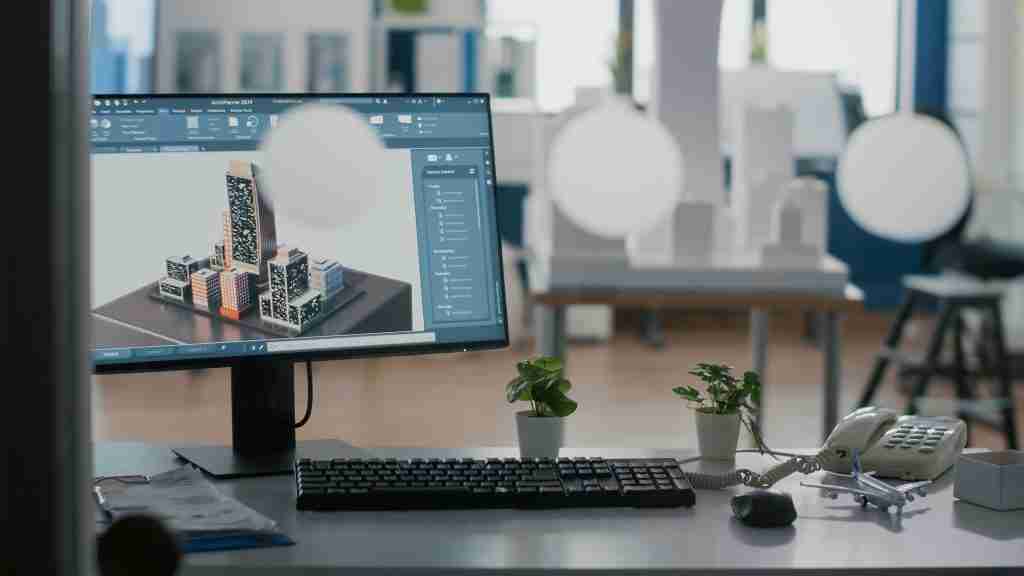
Elevate Your Construction Projects with Professional BIM Consulting Services In the rapidly evolving construction industry, Building Information Modeling (BIM) has...
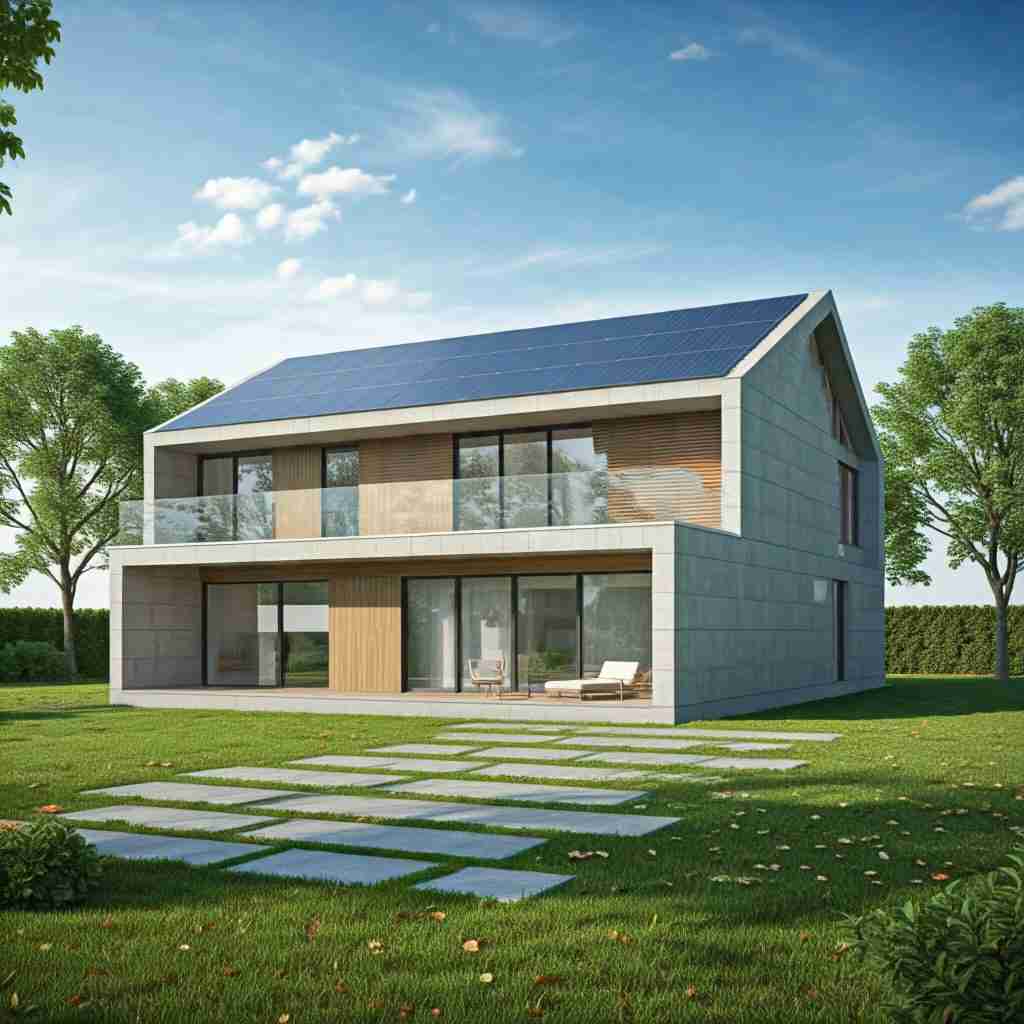
Transform Your Home with Professional Residential Design Services In today’s dynamic housing market, homeowners are increasingly turning to professional residential...
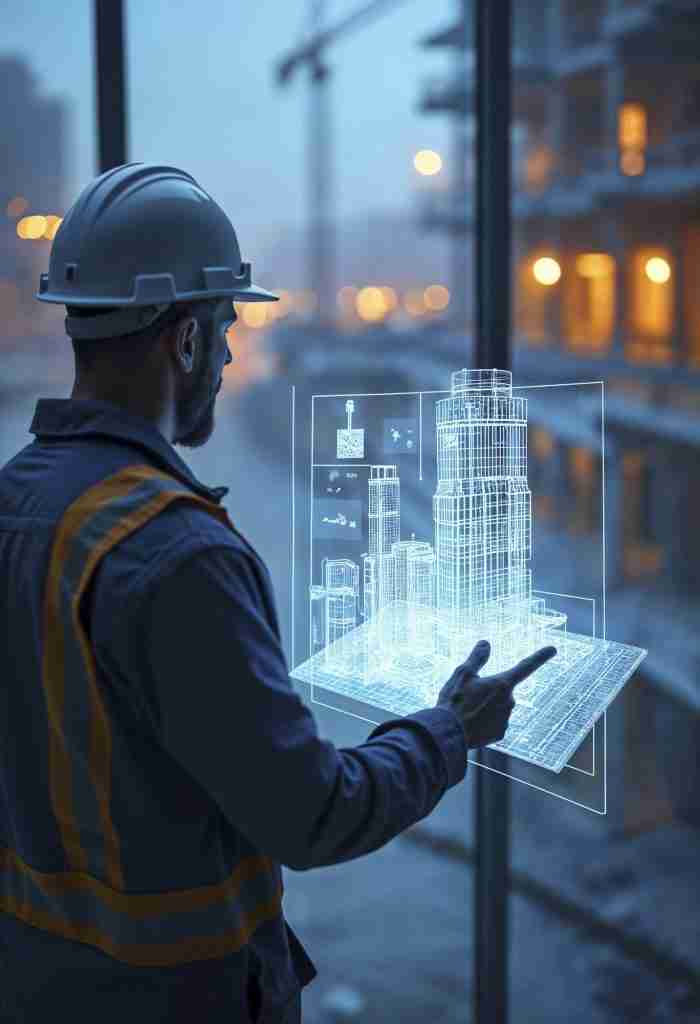
How BuildHub Is Transforming Projects with Virtual Construction In today’s rapidly evolving construction industry, embracing digital tools is essential for...