BIM Implementation Benefits: Retransforming Construction
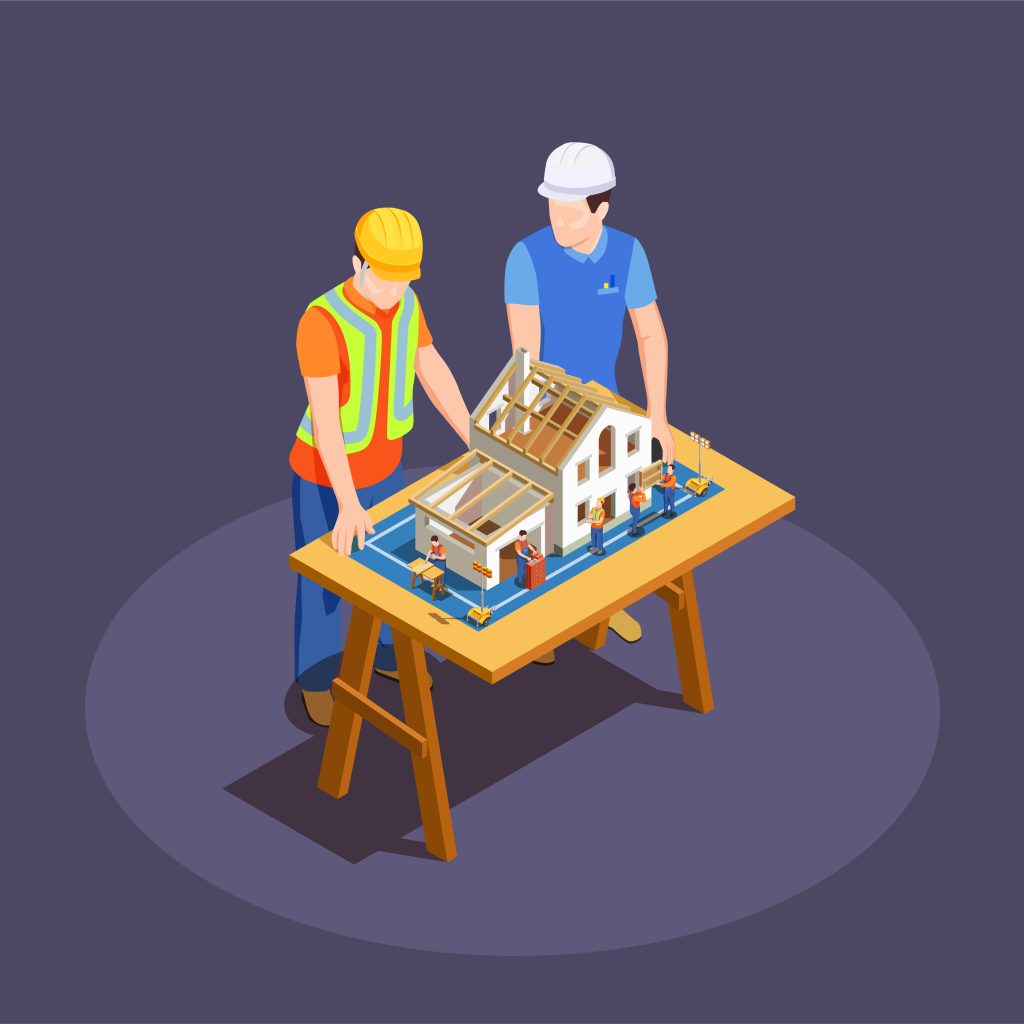
BIM implementation benefits: Is it worth it to invest in BIM?
The construction industry is facing a productivity crisis. Stuck in a rut, a recent McKinsey report indicates a sluggish 1% annual growth rate over the past two decades, far behind other industries. This translates to billions of dollars lost and missed opportunities. Fortunately, a powerful solution exists: Building Information Modeling (BIM).
While some construction and architectural professionals may be familiar with BIM, this blog delves deeper into the long-term BIM implementation benefits.
We’ll showcase how a leading digital engineering and construction modeling company such as BuildHub can transform project delivery, and unlock significant value throughout a construction project’s lifecycle. BuildHub can empower you to build smarter, more efficient, and more sustainable projects. Let’s explore how.
Beyond Short-Term Gains: A Holistic View of BIM Implementation Benefits
The advantages of BIM implementation extend far beyond the initial design phase. Sure, improved collaboration and clash detection are well-established advantages, but BIM offers a wealth of long-term value. It enhances every stage of the construction process, ultimately leading to a more successful project outcome.
Unlocking Efficiency and Cost Savings with Streamlined Workflows
Let’s delve into the first set of BIM implementation benefits: streamlined workflows and reduced costs. This translates to shorter project timelines, improved efficiency, and significant cost savings. Here’s how BIM achieves this:
Clash Detection and Reduced Rework:
BIM facilitates a collaborative environment where architects, engineers, and contractors work on a single, unified model. This enables real-time clash detection, identifying and resolving potential conflicts between building elements before construction begins.
By minimizing costly rework later on site, BIM delivers substantial cost savings. ( Click here to learn more about how BIM services can reduce rework on construction projects.)
Optimized Construction Sequencing:
The 3D BIM model allows for detailed construction sequencing planning. BuildHub’s BIM specialists can leverage this model to optimize workflows, streamline material deliveries, and identify potential logistical challenges proactively.
This translates to shorter project timelines, reduced labor costs, and improved overall project efficiency.
Ready to unlock these BIM implementation benefits for your next project? Schedule a consultation with BuildHub today to discuss your specific needs and explore how our BIM services can empower you to build smarter.
Enhanced Risk Management and Financial Control
Another key benefit of BIM implementation is enhanced risk management and financial control. BIM empowers project teams to proactively identify and address potential issues, leading to more predictable project outcomes and reduced financial risks. Here’s how:
Proactive Problem-Solving:
BIM empowers project teams to identify and address potential issues virtually before they translate into real-world problems.
The ability to analyze different design iterations and construction scenarios within the BIM model allows for informed decision-making, mitigating risks and ensuring project predictability.
Improved Cost Estimating and Budgeting:
The rich data embedded within the BIM model facilitates accurate cost estimating and budgeting.
BuildHub’s team can utilize this data to generate more precise cost forecasts, accounting for material quantities, labor requirements, and potential contingencies. This leads to better financial control and reduced risk of project budget overruns.
Building a Sustainable Future with BIM
BIM goes beyond short-term gains. It also contributes to a project’s long-term value by promoting sustainable design and enhancing building performance. Here’s how:
Sustainable Design Optimization:
The BIM model can help conduct energy simulations and analyze the building’s environmental impact. BuildHub’s BIM specialists can leverage this information to recommend sustainable materials and systems, optimize building envelope performance, and minimize the project’s carbon footprint.
This benefits the environment and contributes to long-term operational cost savings for building owners.
Improved Facility Management and Maintenance:
BIM’s benefits extend beyond construction. The BIM model becomes a valuable asset for facility management. Building owners can access essential data about the building’s systems and components, facilitating preventative maintenance, troubleshooting issues, and optimizing space utilization throughout the building’s lifecycle.
A Case for Long-Term Investment: The Enduring Value of BIM
The long-term benefits of BIM implementation are undeniable. By investing in BIM, construction and architectural professionals gain a powerful tool to:
- Reduce project delivery timelines and costs.
- Mitigate risks and improve project predictability.
- Enhance design quality and optimize building performance.
- Promote sustainable construction practices.
- Facilitate efficient facility management for years to come.
Talk to one of our BIM experts to learn more about how BIM implementation can transform the way your construction or architectural firm operates.
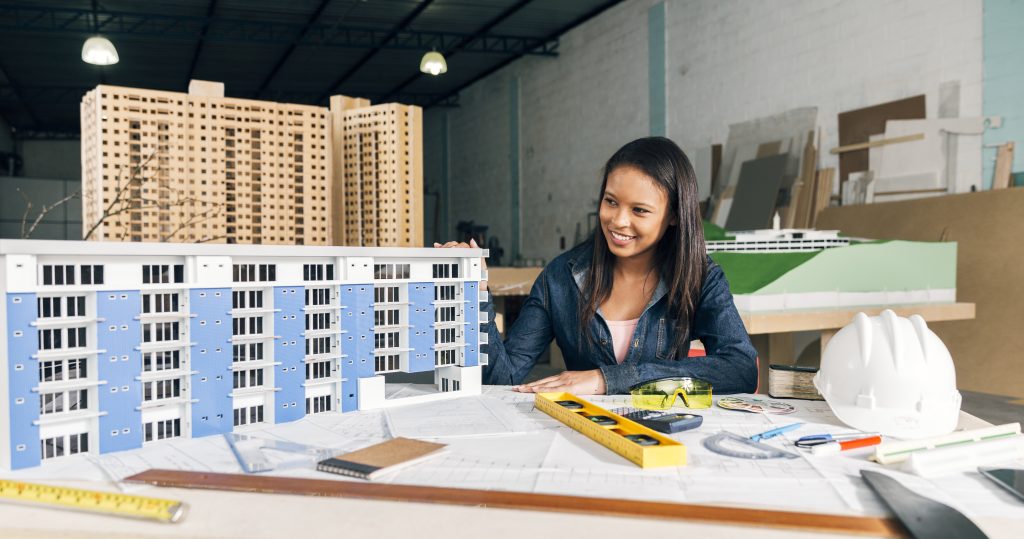
BuildHub: Your Trusted Partner for Long-Term BIM Implementation Success
At BuildHub, we understand the importance of maximizing the long-term value of BIM for your construction projects. Our team of certified BIM professionals offers a comprehensive suite of services designed to help you unlock the full potential of BIM throughout your project lifecycle.
Here’s how BuildHub can be your partner in achieving long-term BIM implementation benefits:
Strategic BIM Planning
We work closely with you to develop a customized BIM implementation plan that aligns with your project goals, budget, and timeline. This plan outlines the specific BIM use cases, deliverables, and roles for each project team member.
By ensuring everyone is on the same page from the outset, we minimize confusion and maximize the effectiveness of BIM throughout the project.
Advanced BIM Modeling and Coordination
BuildHub’s team leverages cutting-edge BIM software and expertise to create high-quality, intelligent BIM models. We don’t just create 3D models; we embed rich data within them, allowing for comprehensive coordination and analysis.
Our specialists can handle complex projects, including those with intricate building systems or challenging geometries.
Clash Detection and Mitigation
Our BIM workflows prioritize clash detection. We utilize the model to identify and resolve potential conflicts between building elements before construction begins. This proactive approach minimizes costly rework on-site, saving you time and money.
5D BIM for Cost Estimating and Scheduling
BuildHub goes beyond 3D modeling. We can create 5D BIM models that integrate cost and schedule information. This allows for more precise cost estimating and realistic project scheduling, facilitating better financial control and on-time project delivery.
BIM for Sustainable Design and Analysis
BuildHub can leverage BIM to support sustainable design goals. We can use the model to perform energy simulations, analyze daylighting conditions, and assess the environmental impact of different design choices. This empowers you to make informed decisions that optimize building performance and minimize the project’s carbon footprint.
BIM for Construction Management and Fieldwork
BIM’s benefits extend beyond pre-construction. BuildHub can provide BIM tools and data to streamline construction workflows. We can generate fabrication drawings, create shop drawings, and facilitate on-site layouts using BIM models.
This improves communication, reduces errors, and enhances overall construction efficiency.
BIM for Facility Management and Maintenance
The BIM model becomes a valuable asset long after construction is complete. Building owners can use it for facility management purposes, such as preventative maintenance, troubleshooting issues, and space optimization.
BuildHub can also assist in developing a BIM handover plan to ensure the facility management team has the necessary data and tools to effectively manage the building throughout its lifecycle.
If you’re interested to learn about the individual benefits of BIM in construction, click here.
Investing in BIM: A Sound Decision for the Future of Construction
BIM is not just a technology; it’s a transformative approach to construction. By implementing BIM, construction and architectural professionals can gain a significant competitive advantage. Here at BuildHub, we are passionate about helping our clients unlock the full potential of BIM.
Ready to take your construction projects to the next level? Contact BuildHub today to discuss your specific needs and explore how our BIM services can empower you to build smarter, more efficiently, and more sustainably.
Frequently Asked Questions (FAQ's)
What are the benefits of BIM standards?
BIM standards act like a common language for construction software. Different software programs can exchange data seamlessly, fostering collaboration across disciplines (architects, engineers, contractors). This simplifies BIM adoption for new users and organizations, reducing the learning curve and accelerating the path to BIM’s benefits.
What are the goals of BIM implementation?
BIM aspires to revolutionize construction delivery. It aims to deliver projects on time, within budget, and meeting performance goals. This is achieved through several methods, including streamlined workflows that minimize errors and rework, clash detection that identifies and resolves conflicts before construction begins, and building simulations that optimize energy use and overall building functionality.
What are the benefits realised by BIM?
BIM offers a multitude of advantages throughout a construction project’s lifecycle. It minimizes rework through clash detection and improves communication, leading to cost savings. Streamlined workflows, enhanced collaboration across disciplines, and faster communication improve overall project efficiency. BIM also enhances quality by enabling better design coordination and reducing errors.
Related Posts
- Construction
Elevate Your Construction Projects with Professional BIM Consulting Services In the rapidly evolving construction industry, Building Information Modeling (BIM) has...
Transform Your Home with Professional Residential Design Services In today’s dynamic housing market, homeowners are increasingly turning to professional residential...
How BuildHub Is Transforming Projects with Virtual Construction In today’s rapidly evolving construction industry, embracing digital tools is essential for...